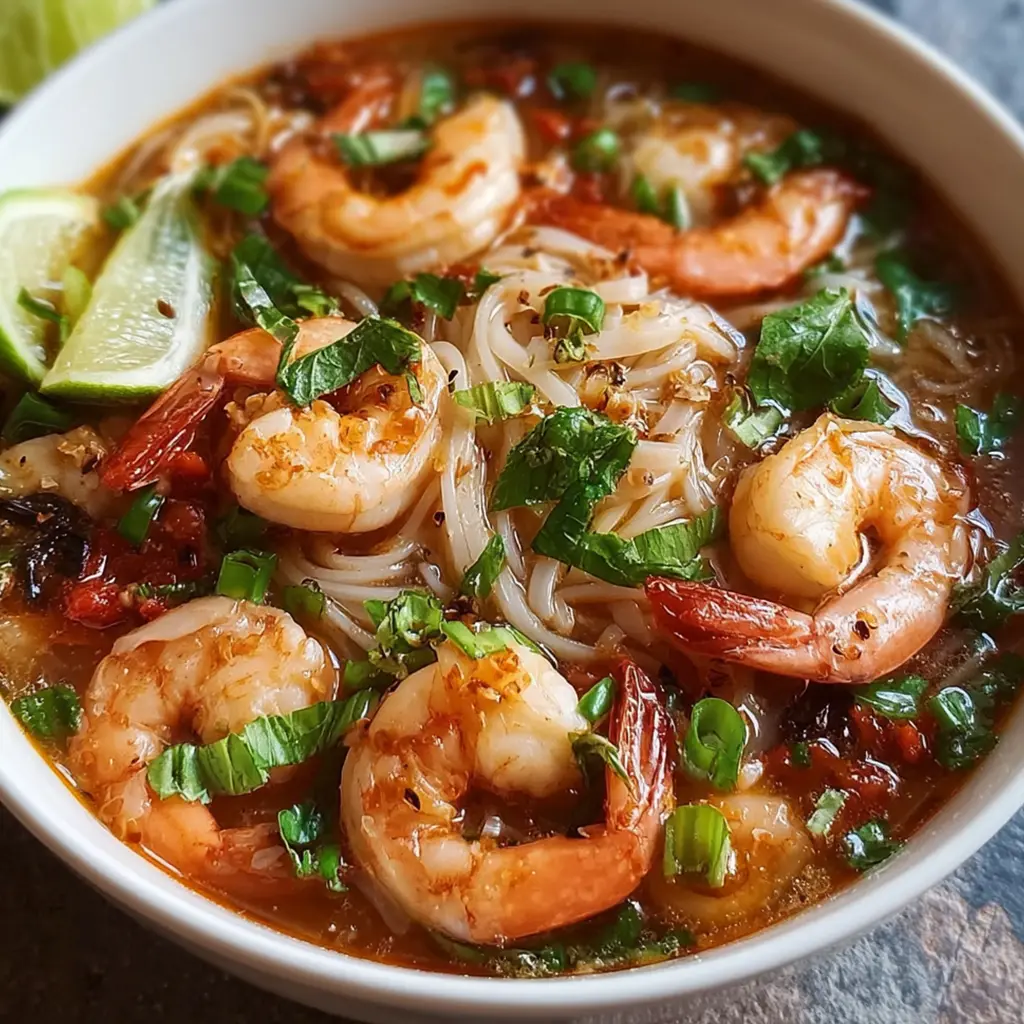
Shrimp Pho Recipe: A Flavorful Journey to Vietnam in Your Kitchen
Have you ever craved a bowl of warm, aromatic shrimp pho but wondered how to achieve that authentic taste at home? Crafting the perfect shrimp pho can seem overwhelming, especially when navigating the depths of Vietnamese cuisine. This shrimp pho recipe aims to take you on an exciting culinary adventure, providing you with the skills to create a fragrant, broth-filled bowl of goodness that will transport your taste buds straight to Vietnam. Armed with a handful of simple ingredients and a touch of patience, you can relish in this comforting dish that’s known for its unique flavors and satisfying textures.
Table of Contents
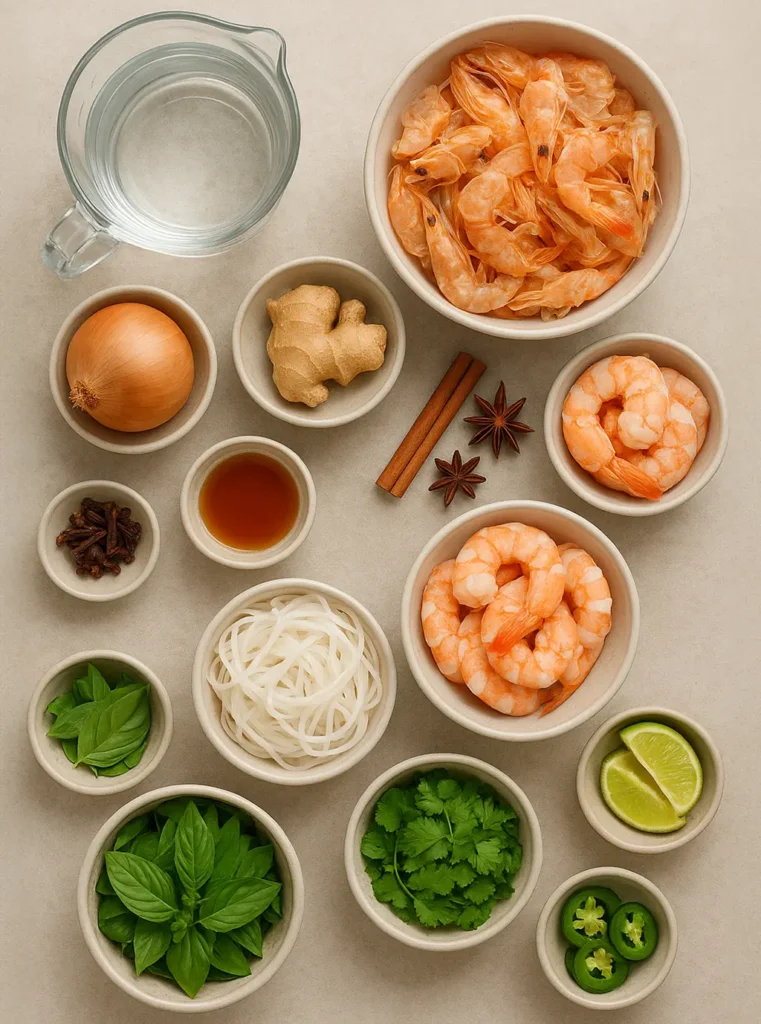
Ingredients List
To make this delicious shrimp pho, gather the following ingredients:
Broth Ingredients:
- Water (8 cups)
- Shrimp shells and heads (from 1 lb of shrimp, if available)
- Onion (1 large, halved)
- Ginger (2-3 slices, fresh)
- Star anise (2 pods)
- Cinnamon stick (1)
- Cloves (3 whole)
- Fish sauce (3 tablespoons)
Soup Ingredients:
- Rice noodles (8 ounces, banh pho)
- Shrimp (1 lb, peeled and deveined)
- Bean sprouts (1 cup)
- Fresh basil (1 bunch, Thai basil preferred)
- Cilantro (for garnish)
- Lime wedges (for serving)
- Sliced jalapeños (to taste, optional)
Suggested Substitutions:
- Noodles: Substitute rice noodles with gluten-free or whole grain noodles if desired.
- For a vegetarian version: Replace shrimp and fish sauce with tofu and soy sauce.
Timing
Let’s break down the timing for crafting this delightful shrimp pho:
- Prep Time: 15 minutes
- Cook Time: 30 minutes
- Total Time: 45 minutes
With just under an hour, you’ll be savoring a homemade bowl of shrimp pho that’s worthy of restaurant praise!
Step-by-Step Instructions
Step 1: Prepare the Broth
Start by pouring water into a large stockpot. Add the shrimp shells, halved onion, ginger slices, star anise, cinnamon stick, cloves, and fish sauce. Bring to a boil, then reduce the heat to a gentle simmer. Allow the broth to simmer for 20 minutes, letting the flavors meld together beautifully.
Step 2: Strain the Broth
After 20 minutes, strain the broth through a fine mesh sieve into another pot, discarding the solids. Return the liquid to the pot and keep it warm over low heat.
Step 3: Cook the Noodles
In a separate pot, bring water to a boil. Add the rice noodles and cook according to package instructions, usually about 5-8 minutes. Once cooked, drain and rinse with cold water to stop the cooking process.
Step 4: Add the Shrimp
Return the strained broth to a boil. Then, add the peeled and deveined shrimp, cooking for about 2-3 minutes or until the shrimp turn pink and opaque.
Step 5: Assemble the Bowls
In serving bowls, place a portion of the cooked rice noodles. Ladle the hot broth with shrimp over the noodles. Top each bowl with bean sprouts, fresh basil leaves, and cilantro. Serve with lime wedges and sliced jalapeños on the side for an added kick.
Nutritional Information
Here’s a closer look at the nutritional profile per serving (approx. 1 bowl):
- Calories: 320
- Protein: 25g
- Carbohydrates: 45g
- Fat: 6g
- Fiber: 2g
- Sodium: 800mg
| Nutrient | Value | |—————–|—————| | Calories | 320 | | Protein | 25g | | Carbohydrates | 45g | | Total Fats | 6g | | Fiber | 2g | | Sodium | 800mg |
Healthier Alternatives
If you’re looking to enhance the health profile of your shrimp pho, consider these alternatives:
- Use low-sodium broth to reduce sodium content.
- Add more vegetables like bok choy or mushrooms for additional nutritional benefits.
- Opt for more whole grains by using brown rice noodles as a healthier alternative.
Serving Suggestions
Elevating your shrimp pho experience can be as easy as mixing in some extra flavors:
- Spicy kick: Drizzle sriracha or chili oil on top for enhanced heat.
- Herb infusion: Add more fresh herbs like mint or lemongrass for a refreshing twist.
- Side dishes: Serve with a side of fresh spring rolls for a complete Vietnamese feast.
Common Mistakes to Avoid
- Skimming the broth too quickly: Make sure to simmer your broth long enough to develop rich flavors.
- Not rinsing the noodles: Failing to rinse the cooked rice noodles can lead to a gummy texture; cold water stops their cooking and keeps them separated.
- Using raw shrimp: Make sure to add the shrimp to the broth only when it’s boiling to ensure it cooks properly.

Storing Tips
To maintain the freshness and flavor of your shrimp pho:
- Refrigeration: Store leftover broth and shrimp separately in airtight containers for up to 3 days.
- Freezing: Broth can be frozen for up to 2 months; just remember to cool it completely before placing it in the freezer.
- Reheating: Reheat broth on the stove and add fresh shrimp to cook just before serving for best results.
Conclusion
This shrimp pho recipe offers a delightful way to enjoy the rich culinary traditions of Vietnam from the comfort of your home. It’s an exhilarating dish that warms the heart and soul, perfect for a quick weeknight meal or a weekend treat with friends. If you try this recipe, please share your experience or any tweaks you made in the comments below! And for more delicious dishes and tips, don’t forget to sign up for our newsletter!
FAQs
Q1: Can I make the broth ahead of time?
Absolutely! You can prepare the broth a day in advance and store it in the fridge. Just reheat it before adding the shrimp.
Q2: What kind of shrimp is best for pho?
Fresh, wild-caught shrimp not only provide superior flavor, but they also add a lovely texture to the dish.
Q3: Can I make shrimp pho vegetarian?
Yes! You can use vegetable broth and add tofu or mushrooms instead of shrimp for a delicious vegetarian option.
Q4: How spicy is this shrimp pho?
The spice level is adjustable; you can add more or less jalapeños according to your taste preference.
Q5: What will the shrimp taste like if overcooked?
Overcooked shrimp can become rubbery and lose their delicate flavor, so be careful to cook them just until they are opaque and curl slightly.