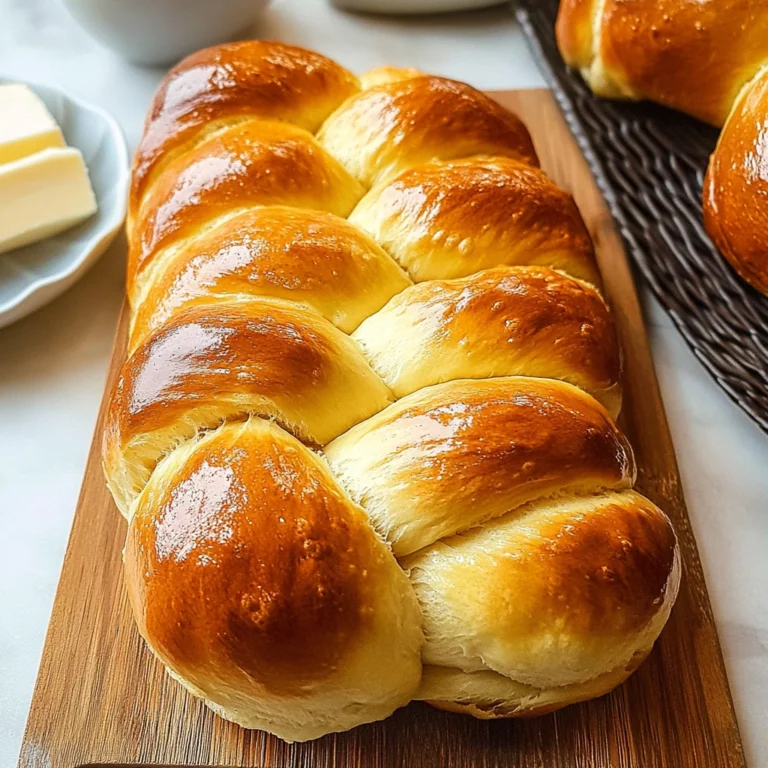
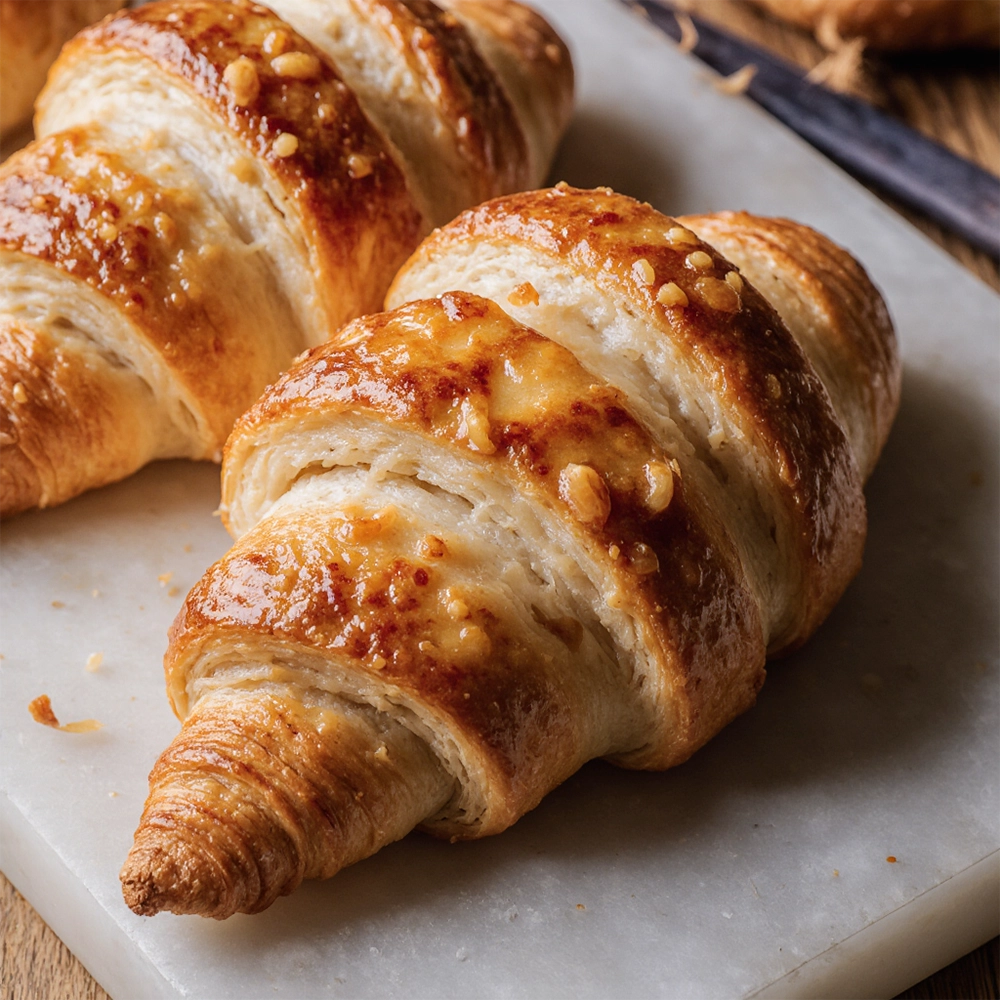
Flaky Homemade French Croissants – Buttery & Perfectly Golden
Have you ever wondered what makes a croissant flaky, buttery, and perfectly golden? The allure of a freshly baked croissant often invites us to local bakeries, yet making these delicate pastries at home can seem daunting. Many believe that the secret to perfecting homemade French croissants lies solely in complex techniques or expensive ingredients. However, with the right method and patience, you can achieve that bakery-fresh taste right in your kitchen.
In this post, we’ll guide you through creating flaky homemade French croissants that not only look amazing but taste incredible too. Let’s dive into the art of layering dough and making perfect croissants that will impress any guest!
Table of Contents
Ingredients List
For Flaky Homemade French Croissants, you’ll need:
- Dough:
- 4 cups all-purpose flour (or 3 1/2 cups bread flour for extra chew)
- 1/2 cup granulated sugar
- 2 teaspoons salt
- 1 tablespoon instant yeast (or active dry yeast, proofed)
- 1 1/4 cups whole milk, warm (110°F or 43°C)
- 1/4 cup unsalted butter, softened (for the dough)
- Butter Block:null.
- For Baking:
- 1 egg (for egg wash)
- 1 tablespoon milk (for egg wash)
Suggested Substitutions:
- Use almond milk or soy milk for dairy-free options.
- Substitute sugar with honey or agave syrup for a different flavor profile.
Timing
- Prep Time: 30 minutes
- Rest Time: 4 hours (including chilling time)
- Cook Time: 20–25 minutes
- Total Time: Approximately 4.5 hours
Picture this: your kitchen filled with the delightful aroma of baking croissants, filling your home with warmth and anticipation. While the process is lengthy, the result is worth the wait!
Step-by-Step Instructions
Step 1: Prepare the Dough
- In a large bowl, combine flour, sugar, salt, and instant yeast. Make a well in the center.
- Pour in the warm milk and mix until a shaggy dough forms.
- Knead for about 5-7 minutes until the dough is smooth. Add the softened butter and knead for another 2 minutes until incorporated.
- Cover with plastic wrap or a damp cloth and let it rest for 1 hour at room temperature.
Step 2: Prepare the Butter Block
- On a sheet of parchment paper, arrange cold cubed butter into a rectangle roughly 8×6 inches.
- Use a rolling pin to flatten the butter into a flat, even layer. Refrigerate until the dough is ready.
Step 3: Laminate the Dough
- Roll out your rested dough into a rectangle about 24×12 inches on a floured surface.
- Place the cold butter block onto the center of the dough, folding the sides over to encase the butter completely.
- Roll the dough into a larger rectangle, then fold it into thirds, like a letter. Wrap in plastic wrap and chill for 30 minutes in the fridge.
Step 4: Create Layers
- Repeat the rolling and folding process (turning twice) for a total of three times, chilling between each fold for about 30 minutes. This creates those flaky, buttery layers.
Step 5: Shape the Croissants
- Roll the final dough into a large rectangle and cut it into triangles (about 4 inches wide).
- Starting from the base of each triangle, roll it up tightly toward the tip.
- Place on a baking sheet lined with parchment paper, point side down.
- Allow the croissants to proof for 1-2 hours until puffed.
Step 6: Bake
- Preheat your oven to 400°F (200°C).
- Mix the egg and milk together for the egg wash. Brush it lightly over the croissants to give them a beautiful golden sheen.
- Bake for 20-25 minutes or until golden brown and flaky.

Nutritional Information
| Nutrient | Per Croissant (Approx.) | |———————–|————————-| | Calories | 310 | | Total Fat | 17g | | Saturated Fat | 10g | | Carbohydrates | 35g | | Fiber | 1g | | Protein | 5g |
(Note: Nutritional values may vary based on portion sizes and specific ingredient brands used.)
Healthier Alternatives
If you’re looking to make your croissants a bit healthier, consider:
- Using Whole Wheat Flour: For a nutty flavor and extra fiber.
- Reduce Sugar: Cut down the sugar to half or use stevia for sweetness.
- Swap Butter for Coconut Oil: For a dairy-free twist, although it might slightly alter the texture.
Serving Suggestions
Enjoy your homemade croissants warm out of the oven or filled with your favorite ingredients! Here are a few fun serving ideas:
- Breakfast Sandwich: Slice open and add cheese, eggs, or avocado.
- Sweet Treat: Spread with homemade jam, honey, or nut butter.
- Dessert Variation: Drizzle with chocolate or serve alongside whipped cream.
Common Mistakes to Avoid
- Overworking Dough: This can lead to tough croissants instead of flaky layers. Handle the dough gently.
- Not Allowing Proper Rest Time: Giving dough enough time to rest is crucial for gluten development and achieving that perfect rise.
- Skipping the Egg Wash: This provides that beautiful golden color; don’t forget it!
Storing Tips
- Freezing: Wrap uncooked, shaped croissants tightly in plastic wrap and freeze for up to 2 months. Bake them directly from frozen, adding 5–10 extra minutes to the cooking time.
- Storing Baked Croissants: Keep baked croissants in an airtight container at room temperature for up to 2 days. For longer freshness, freeze and reheat in the oven.
Conclusion
Making flaky homemade French croissants is a rewarding culinary adventure that will fill your kitchen with delightful aromas and your table with scrumptious pastries. With this guide, you’re fully equipped to dive in and create your own delicious batch.
We would love to hear about your baking experience! Did you try this recipe? Join the conversation in the comments, leave a review, or sign up for our newsletter for more delicious recipes!
FAQs
Q1: Can I use all-purpose flour instead of bread flour for croissants?
Yes! All-purpose flour is perfectly suitable for making croissants, although using bread flour will give you a chewier texture due to the higher protein content.
Q2: How can I tell if my croissants are fully proofed?
Your croissants will feel noticeably puffy to the touch and should have doubled in size. They should spring back slowly when poked.
Q3: What oven temperature is best for baking croissants?
Baking at 400°F (200°C) ensures a perfect golden color and allows the layers to melt and create that beautiful flaky texture.
Q4: How long do baked croissants stay fresh?
Baked croissants are best enjoyed fresh but can be stored at room temperature for up to 2 days. If you want to keep them longer, freeze and reheat.
Q5: Can I add fillings to my croissants?
Absolutely! Creative fillings like chocolate, almond paste, or ham and cheese can be added for a delicious twist. Just remember not to overfill!
Now, gather your ingredients and start your journey toward flaky, buttery perfection with your homemade French croissants! Happy baking!